



At a Glance
Paperback
RRP $24.99
$24.75
Ships in 15 to 25 business days
ISBN: 9780099511861
ISBN-10: 009951186X
Series: Vintage Classics
Published: 1st October 2008
Format: Paperback
Language: English
Number of Pages: 496
Audience: General Adult
For Ages: 7 - 9 years old
For Grades: P - 1
Publisher: RANDOM HOUSE UK
Country of Publication: GB
Edition Number: 1
Dimensions (cm): 19.8 x 13.1 x 3.1
Weight (kg): 0.34

Jane Austen
Jane Austen was born on 16 December 1775 at Steventon, near Basingstoke, the seventh child of the rector of the parish. She lived with her family at Steventon until they moved to Bath when her father retired in 1801. After his death in 1805, she moved around with her mother; in 1809, they settled in Chawton, near Alton, Hampshire. Here she remained, except for a few visits to London, until in May 1817 she moved to Winchester to be near her doctor. There she died on 18 July 1817.
Jane Austen was extremely modest about her own genius, describing her work to her nephew, Edward, as 'the little bit (two Inches wide) of Ivory, on which I work with so fine a Brush, as produces little effect after much labour'.
As a girl she wrote stories, including burlesques of popular romances. Her works were published only after much revision, four novels being published in her lifetime.
These are Sense and Sensibility (1811), Pride and Prejudice (1813), Mansfield Park (1814) and Emma (1815). Two other novels, Northanger Abbey and Persuasion, were published posthumously in 1817 with a biographical notice by her brother, Henry Austen, the first formal announcement of her authorship. Persuasion was written in a race against failing health in 1815-16. She also left two earlier compositions, a short epistolary novel, Lady Susan, and an unfinished novel, The Watsons. At the time of her death, she was working on a new novel, Sanditon, a fragmentary draft of which survives.
Shipping
| Standard Shipping | Express Shipping | |
|---|---|---|
| Metro postcodes: | $9.99 | $14.95 |
| Regional postcodes: | $9.99 | $14.95 |
| Rural postcodes: | $9.99 | $14.95 |
How to return your order
At Booktopia, we offer hassle-free returns in accordance with our returns policy. If you wish to return an item, please get in touch with Booktopia Customer Care.
Additional postage charges may be applicable.
Defective items
If there is a problem with any of the items received for your order then the Booktopia Customer Care team is ready to assist you.
For more info please visit our Help Centre.
You Can Find This Book In

RRP $22.99
$20.75
OFF

RRP $22.99
$20.75
OFF

RRP $19.99
$18.75

RRP $24.99
$23.75

RRP $24.99
$23.75

RRP $22.99
$22.75

RRP $19.99
$18.75

RRP $22.99
$22.75

RRP $27.99
$26.75

RRP $24.99
$24.75

RRP $29.99
$28.99

RRP $24.99
$23.75

RRP $22.99
$22.75

RRP $27.99
$27.75

RRP $32.99
$30.99

RRP $24.99
$24.75
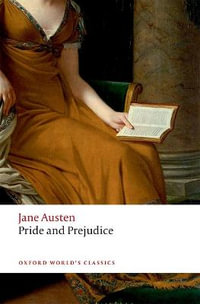
RRP $14.95
$10.99
OFF

RRP $200.00
$138.75
OFF

RRP $24.99
$15.75
OFF

RRP $24.99
$15.75
OFF

RRP $19.99
$14.75
OFF


RRP $49.99
$38.75
OFF

RRP $49.99
$38.75
OFF

RRP $17.99
$16.75

RRP $22.99
$20.75
OFF

RRP $35.00
$27.75
OFF

RRP $22.99
$20.75
OFF

RRP $19.99
$18.75

RRP $35.00
$28.75
OFF

RRP $39.99
$31.75
OFF
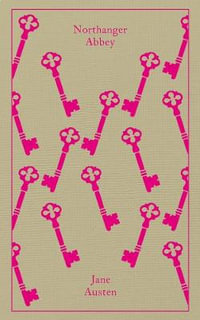
RRP $35.00
$28.75
OFF

RRP $22.99
$20.75
OFF

RRP $17.99
$12.00
OFF

RRP $35.00
$28.75
OFF

RRP $22.99
$20.75
OFF

RRP $14.99
$14.75

RRP $24.99
$21.75
OFF

RRP $59.99
$44.99
OFF

RRP $49.99
$38.75
OFF