




At a Glance
Paperback
RRP $31.99
$27.75
13%OFF
ISBN: 9780415267410
ISBN-10: 0415267412
Series: Routledge Classics
Published: 1st December 2001
Format: Paperback
Language: English
Number of Pages: 370
Audience: General Adult
Publisher: Taylor & Francis Ltd
Country of Publication: GB
Edition Number: 2
Edition Type: New edition
Dimensions (cm): 19.5 x 12.5 x 2.5
Weight (kg): 0.41
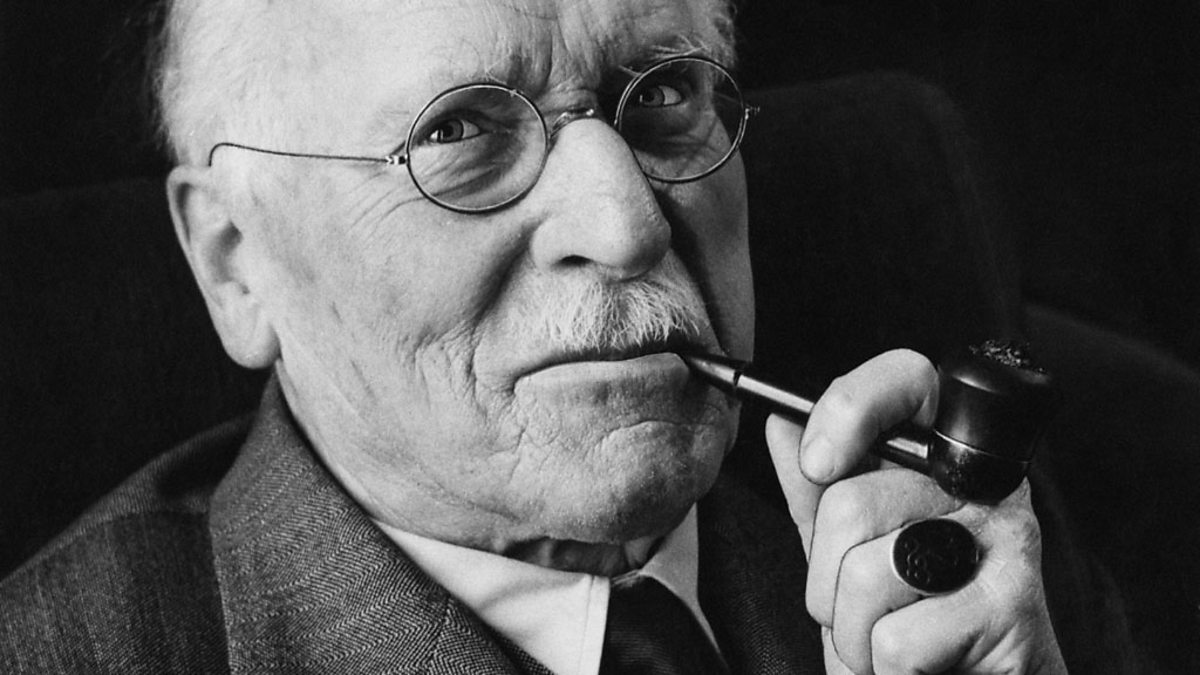
C. J. Jung
What fields and genres do C. G. Jung's books cover?
Jung's work spans analytical psychology and depth psychology and reaches into psychiatry, dream analysis, mythology, religion, philosophy, anthropology and literary criticism. Many books focus on symbolism, myths and the interpretation of dreams.
Which of Jung's books are considered essential?
Key works include The Archetypes and the Collective Unconscious, the multi-volume Collected Works of C. G. Jung, Memories, Dreams, Reflections, Man and His Symbols, Psychological Types and The Red Book. These are widely cited and available in several editions.
What are the central themes and concepts in Jung's writing?
Major concepts are individuation; archetypes and the collective unconscious; synchronicity; psychological complexes; and the introversion-extraversion distinction. Recurring themes include dreams, symbols, myth, religion and the development of the self.
Where should I start if I'm new to Jung?
Begin with more accessible texts such as Man and His Symbols or Modern Man in Search of a Soul, and Memories, Dreams, Reflections for a personal overview. Once familiar, move to subject volumes from the Collected Works (for example on archetypes or dreams) and consult The Red Book for a primary, symbolic source.
Are Jung's works published as series or collected editions?
Yes. His writings appear in the multi-volume Collected Works and in specialist series and editions such as the Bollingen Series, Princeton Jung Extracts, Routledge Classics and Philemon Foundation publications, plus separate editions of The Red Book.
Shipping
| Standard Shipping | Express Shipping | |
|---|---|---|
| Metro postcodes: | $9.99 | $14.95 |
| Regional postcodes: | $9.99 | $14.95 |
| Rural postcodes: | $9.99 | $14.95 |
How to return your order
At Booktopia, we offer hassle-free returns in accordance with our returns policy. If you wish to return an item, please get in touch with Booktopia Customer Care.
Additional postage charges may be applicable.
Defective items
If there is a problem with any of the items received for your order then the Booktopia Customer Care team is ready to assist you.
For more info please visit our Help Centre.
You Can Find This Book In
RRP $31.99
$27.75
OFF


RRP $34.99
$29.75
OFF

RRP $31.99
$30.75

RRP $41.99
$33.75
OFF

RRP $31.99
$27.75
OFF

RRP $36.99
$30.75
OFF

RRP $31.99
$25.99
OFF

RRP $25.99
$23.75


RRP $31.99
$27.75
OFF

RRP $39.99
$32.75
OFF

RRP $31.99
$27.75
OFF

RRP $36.99
$35.75

RRP $41.99
$33.75
OFF

RRP $31.99
$27.75
OFF

RRP $31.99
$27.75
OFF

RRP $31.99
$27.75
OFF

RRP $31.99
$29.75

RRP $25.99
$22.75
OFF

RRP $31.99
$27.75
OFF


RRP $82.95
$52.75
OFF

RRP $489.95
$339.75
OFF

RRP $24.99
$21.75
OFF

RRP $90.99
$45.99
OFF
RRP $31.99
$27.75
OFF
RRP $31.99
$25.99
OFF


$20.75
RRP $31.99
$27.75
OFF
RRP $31.99
$27.75
OFF

RRP $25.99
$23.75


RRP $31.99
$31.75

RRP $25.99
$25.75


RRP $25.99
$25.75


RRP $41.99
$37.75
OFF


RRP $41.99
$37.75
OFF
This product is categorised by
- Non-FictionMind, Body, SpiritDreams & their Interpretation
- Non-FictionPsychologyStates of ConsciousnessSleep & Dreams
- Non-FictionPsychologyPsychological Theory, Systems, Schools of Thought & ViewpointsPsychoanalytical Theory & Freudian Psychology
- Non-FictionMedicineOther Branches of MedicineClinical PsychologyPsychotherapy
- Booktopia Publisher ServicesTaylor & Francis
- Non-FictionReligion & Beliefs