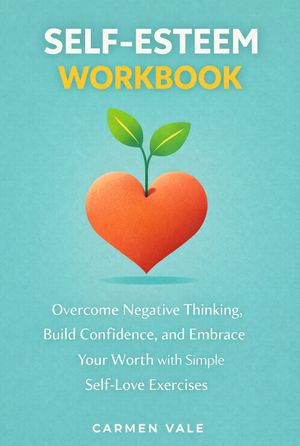
This self-esteem workbook explores the psychological patterns and thought processes that shape how individuals perceive themselves and their value. It examines the origins of self-esteem, including the influence of early experiences, internalized beliefs, and the development of the inner critic, while providing a structured understanding of how negative thinking and self-judgment can affect emotional well-being, relationships, and personal growth. The book presents self-esteem as a dynamic mental state influenced primarily by thought patterns rather than external circumstances, offering a clear framework for recognizing and reassessing these patterns. The content is designed for adults and young people who experience low confidence, persistent self-doubt, or difficulty managing self-critical thoughts, as well as for readers interested in personal development and emotional awareness. It is suitable for individuals seeking a structured and reflective approach to understanding their behavior, improving self-perception, and developing a more balanced sense of self-worth. Through a practical and guided approach, the workbook includes exercises, reflective prompts, and cognitive techniques aimed at increasing self-awareness, managing the inner critic, and building healthier mental habits. Topics such as mindfulness, thought labeling, emotional regulation, assertiveness, and value-based decision-making are presented in a clear and accessible way, combining psychological insights with actionable practices that can be applied progressively in everyday life.