



At a Glance
Paperback
$30.75
Ships in 10 to 15 business days
ISBN: 9780571173372
ISBN-10: 0571173373
Published: 6th May 2004
Format: Paperback
Language: English
Number of Pages: 288
Audience: General Adult
For Ages: 0 years old
Publisher: Faber
Country of Publication: GB
Edition Number: 1
Dimensions (cm): 19 x 12.5 x 2
Weight (kg): 0.23
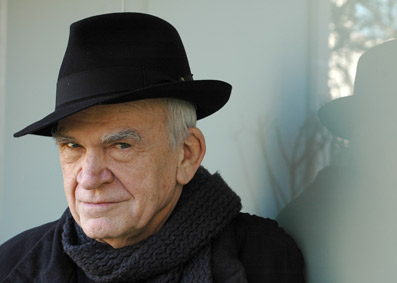
Milan Kundera
Milan Kundera, born in Brno, Czechoslovakia, was a student when the Czech Communist regime was established in 1948, and later worked as a labourer, jazz musician and professor at the Institute for Advanced Cinematographic Studies in Prague. After the Russian invasion in August 1968, his books were proscribed.
In 1975, he and his wife settled in France, and in 1981, he became a French citizen. He is the author of the novels The Joke, Life is Elsewhere, Farewell Waltz, The Book of Laughter and Forgetting, The Unbearable Lightness of Being, and Immortality, and of the short-story collection Laughable Loves - all originally in Czech.
His most recent novels, Slowness, Identity and Ignorance, as well as his non-fiction works The Art of the Novel and Testaments Betrayed, were originally written in French.
Shipping
| Standard Shipping | Express Shipping | |
|---|---|---|
| Metro postcodes: | $9.99 | $14.95 |
| Regional postcodes: | $9.99 | $14.95 |
| Rural postcodes: | $9.99 | $14.95 |
How to return your order
At Booktopia, we offer hassle-free returns in accordance with our returns policy. If you wish to return an item, please get in touch with Booktopia Customer Care.
Additional postage charges may be applicable.
Defective items
If there is a problem with any of the items received for your order then the Booktopia Customer Care team is ready to assist you.
For more info please visit our Help Centre.
You Can Find This Book In


RRP $24.99
$23.75

RRP $14.99
$14.75

$38.75

$30.75

$30.75

RRP $24.99
$23.75

$28.75

RRP $24.99
$23.75

RRP $24.99
$23.75


RRP $24.99
$23.75


RRP $24.99
$23.75

$34.75