



At a Glance
Hardcover
$31.99
Ships in 5 to 10 business days
ISBN: 9781509857449
ISBN-10: 1509857443
Series: Macmillan Collector's Library
Published: 8th May 2018
Format: Hardcover
Language: English
Number of Pages: 840
Audience: General Adult
Publisher: Pan Macmillan UK
Country of Publication: AU
Dimensions (cm): 15 x 9.5 x 5
Weight (kg): 0.45
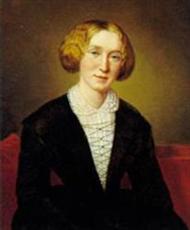
George Eliot
She used a male pen name, she said, to ensure that her works were taken seriously. Female authors published freely under their own names, but Eliot wanted to ensure that she was not seen as merely a writer of romances. An additional factor may have been a desire to shield her private life from public scrutiny and to prevent scandals attending her relationship with the married George Henry Lewes. They lived together as man and wife, but Lewes was unable to divorce his wife from his failed marriage.
What genre does George Eliot write in and what themes recur in her work?
George Eliot wrote realist novels of the Victorian era, often set in provincial England. Her work is known for psychological insight, moral seriousness, and detailed depictions of social life.
Which George Eliot books are considered major works and good places to start?
Major novels include Middlemarch, The Mill on the Floss, Silas Marner, Adam Bede, Daniel Deronda and Romola. Good entry points for many readers are Silas Marner or The Mill on the Floss, then Middlemarch.
Are George Eliot's books part of a series or interconnected cycle?
No. Her novels are largely standalone works. They share similar settings and themes but do not form a single continuing series.
Is there a recommended reading order for her novels?
There is no required order. Read any standalone novel you find appealing. For a gentle progression try an early, shorter work such as Silas Marner, then move to The Mill on the Floss and Middlemarch for longer, more complex novels.
Does George Eliot have shorter works or collections suitable for new readers?
Yes. Scenes of Clerical Life and The Lifted Veil and Brother Jacob are shorter pieces that offer a briefer introduction to her style and themes.
Shipping
| Standard Shipping | Express Shipping | |
|---|---|---|
| Metro postcodes: | $9.99 | $14.95 |
| Regional postcodes: | $9.99 | $14.95 |
| Rural postcodes: | $9.99 | $14.95 |
How to return your order
At Booktopia, we offer hassle-free returns in accordance with our returns policy. If you wish to return an item, please get in touch with Booktopia Customer Care.
Additional postage charges may be applicable.
Defective items
If there is a problem with any of the items received for your order then the Booktopia Customer Care team is ready to assist you.
For more info please visit our Help Centre.
You Can Find This Book In

RRP $22.99
$20.75
OFF


RRP $35.00
$28.75
OFF

RRP $24.99
$21.75
OFF

RRP $19.95
$18.75
RRP $16.99
$13.99
OFF


RRP $16.99
$16.75


RRP $39.99
$37.75


RRP $18.99
$17.75


RRP $24.99
$23.75

RRP $24.95
$24.75

RRP $22.99
$22.75

RRP $16.99
$15.99

RRP $16.99
$15.99

RRP $32.99
$30.99

