



At a Glance
New Edition
Hardcover
$52.75
Ships in 5 to 10 business days
ISBN: 9780062565280
ISBN-10: 0062565281
Published: 21st November 2016
Format: Hardcover
Language: English
Number of Pages: 240
Audience: General Adult
Publisher: HarperCollins Publishers Inc
Country of Publication: US
Dimensions (cm): 27.0 x 191.0 x 191.0
Weight (kg): 0.48
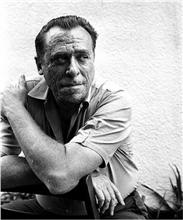
Charles Bukowski
Bukowski published his first story when he was twenty-four and began writing poetry at the age of thirty-five. His writing often featured a depraved metropolitan environment, downtrodden members of American society, direct language, violence, and sexual imagery, and many of his works center around a roughly autobiographical figure named Henry Chinaski. His first book of poetry was published in 1959; he went on to publish more than forty-five books of poetry and prose, including Pulp (Black Sparrow, 1994), Screams from the Balcony: Selected Letters 1960-1970 (1993), and The Last Night of the Earth Poems (1992). He died of leukemia in San Pedro on March 9, 1994..
What genres did Charles Bukowski write in?
He wrote poetry and prose, including novels, short stories, essays and many poetry collections. His output spans both fiction and non fiction with a strong focus on urban realism.
What themes and stylistic traits characterize his work?
His work often depicts a depraved metropolitan environment and downtrodden characters, uses direct, plain language, and frequently includes violence and sexual imagery. Many pieces center on an autobiographical figure named Henry Chinaski.
Which Bukowski books are a good place to start?
For fiction start with Post Office or Factotum. For poetry try a selected collection such as The Pleasures of the Damned or earlier collections like Burning in Water, Drowning in Flame. You Get So Alone At Times That It Just Makes Sense is a widely read poems volume.
Is there a recommended reading order or series to follow?
There is no strict series order, but several novels and stories recur around the Henry Chinaski persona. You can read individual novels and poetry collections independently, or read his major novels such as Post Office and Factotum alongside selected poetry to get a broad sense of his work.
Did Bukowski win major literary awards?
He published more than forty five books and is widely influential, but he is not primarily known for a record of major mainstream literary awards. His reputation rests more on his prolific output and distinctive voice.
Shipping
| Standard Shipping | Express Shipping | |
|---|---|---|
| Metro postcodes: | $9.99 | $14.95 |
| Regional postcodes: | $9.99 | $14.95 |
| Rural postcodes: | $9.99 | $14.95 |
How to return your order
At Booktopia, we offer hassle-free returns in accordance with our returns policy. If you wish to return an item, please get in touch with Booktopia Customer Care.
Additional postage charges may be applicable.
Defective items
If there is a problem with any of the items received for your order then the Booktopia Customer Care team is ready to assist you.
For more info please visit our Help Centre.
You Can Find This Book In


RRP $26.99
$21.75
OFF


RRP $24.19
$22.99


RRP $30.79
$30.75

RRP $29.69
$27.99


RRP $29.69
$27.75

RRP $26.39
$25.75

RRP $26.39
$25.99

RRP $29.69
$27.75

RRP $29.69
$27.75

RRP $29.69
$27.75

RRP $29.69
$27.75

RRP $24.19
$23.99

RRP $29.69
$27.75

$52.75


RRP $49.99
$47.99


RRP $24.99
$23.75

$26.99

RRP $24.19
$23.75

$29.69