



L. Frank Baum
"There's no place like home."
His works anticipated such century-later commonplaces as television, augmented reality, laptop computers (The Master Key), wireless telephones (Tik-Tok of Oz), women in high risk, action-heavy occupations (Mary Louise in the Country), and the ubiquity of advertising on clothing (Aunt Jane's Nieces at Work).
On May 5, 1919, Baum suffered from a stroke. He died quietly the next day, nine days short of his 63rd birthday.His final Oz book, Glinda of Oz, was published on July 10, 1920, a year after his death. The Oz series was continued long after his death by other authors, notably Ruth Plumly Thompson, who wrote an additional nineteen Oz books.
What genres did L. Frank Baum write in?
Baum is best known for children's fantasy, especially the Oz books. He also wrote other fantasy novels, plays, short stories, poems and various works for stage and screen.
How many Oz books did Baum write and what else did he produce?
Baum wrote the original The Wonderful Wizard of Oz plus thirteen novel sequels (14 Oz books total). Beyond Oz he wrote nine other fantasy novels and produced dozens of other works: about 55 novels overall, many short stories, poems and scripts.
Where should I start if I want to read Baum's work?
For the Oz experience, start with The Wonderful Wizard of Oz. If you want his non-Oz speculative fiction, notable titles mentioned in his bibliography include The Master Key.
What is the recommended reading order for the Oz series?
Read the Oz books in publication order, beginning with The Wonderful Wizard of Oz and then the thirteen sequels Baum wrote. After Baum's death the series was continued by other authors, most notably Ruth Plumly Thompson.
What themes or innovations appear in Baum's writing?
His work mixes whimsical fantasy with imaginative inventions; he anticipated later technologies such as television and portable computers and explored themes like autonomous machinery, empowered female characters in active roles and playful social satire.
Popular Books By L. Frank Baum


RRP $29.99
$27.99


RRP $15.99
$15.75


RRP $39.99
$35.75
OFF


RRP $22.99
$22.75
L. Frank Baum's Top Series
Oz, The Complete Collection in Hardcover


All L. Frank Baum Books
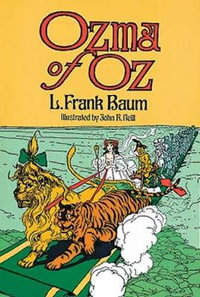
RRP $29.99
$27.99


RRP $12.99
$12.75
RRP $15.99
$15.75


RRP $39.99
$35.75
OFF

RRP $39.99
$35.75
OFF

RRP $14.99
$14.75
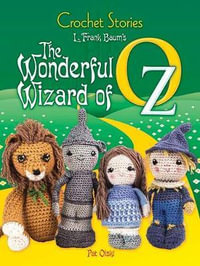
RRP $44.99
$39.75
OFF

RRP $54.99
$46.75
OFF
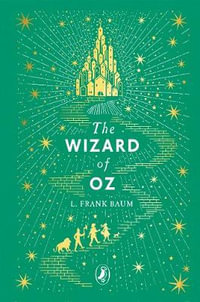
RRP $24.99
$19.75
OFF
RRP $22.99
$22.75

RRP $49.99
$38.75
OFF