Get Free Shipping on orders over $79
Caldecote : The Development and Desertion of a Hertfordshire Village - Guy Beresford

Caldecote

The Development and Desertion of a Hertfordshire Village

By: Guy Beresford

Paperback | 1 March 2009 | Edition Number 1

At a Glance

Paperback


RRP $90.99

$82.75

or 4 interest-free payments of $20.69 with

 or 

Available for Backorder. We will order this from our supplier however there isn't a current ETA.

At just 132 hectares (325 acres) the parish of Caldecote is one of the smallest parishes in Hertfordshire. Today the settlement comprises the manor house, until recently surrounded by a range of traditional farm buildings, together with six labourer's cottages and the church. To the north lies the site of the old rectory and the earthworks of a medieval settlement. In 1973, the Department of Environment and the Deserted Medieval Village Research Group arranged a rescue excavation to examine the earthworks of the medieval village before they were levelled and ploughed. Five crofts, the old rectory site and much of the moated enclosure were investigated in one of the largest excavations ever conducted on a later medieval rural site in Britain. Though the excavations did recover a Bronze Age beaker burial and small quantities of Roman and Iron Age pottery, the medieval settlement at Caldecote was probably founded in the 10th century, and by the time of the Domesday Survey there was a church, a priest and nine villeins. A moated site was added in the 13th century. A century later, Caldecote was granted to the abbots of the Benedictine monastery in St Albans, at a time when there were seventeen householders. Early in the second half of the 14th century, the estate and demesne were subdivided into six farms, each complete with a hall-house and two or more barns. Following the dissolution of the monastery in 1539, the manor was again held by an absentee lord and the farms continued to prosper. However, the late 16th and early 17th centuries, for which there are several surviving wills and inventories, saw their gradual abandonment. After the desertion of Caldecote Marish in 1698, Caldecote was farmed as a single unit until 1970, when the estate was attached to that adjoining the manor of Newnham. Of particular importance from Caldecote is the archaeological evidence for medieval peasant structures, the development of the later medieval domestic plan and the structural transformation of post-medieval period houses including the insertion of chimneys and second storeys. The medieval and later pottery assemblage is of regional importance for its size and the range of fabrics represented. The metalwork comprises many objects of personal adornment, household utensils, and tools for woodwork, agriculture and the manufacture of textiles. Other finds include copper-alloy objects both domestic and agricultural, whetstones, quernstones, mortars and clay pipes. Although the economy of Caldecote was always dependant on arable farming, the faunal remains elucidate aspects of the medieval diet and details of the livestock maintained on the holdings.

More in Archaeology

The Dawn of Everything : A New History of Humanity - David Graeber
1177 B.C. : The Year Civilization Collapsed: Revised and Updated - Eric H. Cline
The Last Neanderthal : Understanding How Humans Die - Ludovic Slimak
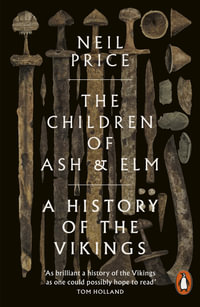
The Children of Ash and Elm : A History of the Vikings - Neil Price
Istanbul : A Tale of Three Cities - Bettany Hughes

RRP $29.99

$24.99

17%
OFF
Urbanism and Empire in Roman Sicily - Laura Pfuntner

RRP $92.99

$89.75

Pasts Otherwise : An Archaeology of War - Bjørnar Olsen
Exile : The English Years of Mary, Queen of Scots - Rosemary Goring

RRP $49.99

$39.75

20%
OFF
Crypt : Life, Death and Disease in the Middle Ages and Beyond - Alice Roberts
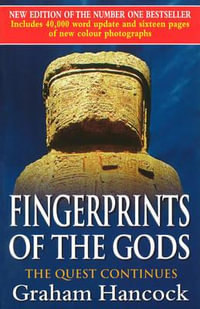
Fingerprints Of The Gods : The Quest Continues - Graham Hancock

RRP $52.99

$40.75

23%
OFF
The Underworld : Journeys to the Depths of the Ocean - Susan Casey
River Kings : The Vikings from Scandinavia to the Silk Roads - Catrine Jarman