



At a Glance
Paperback
$29.75
Ships in 10 to 15 business days
ISBN: 9780006473374
ISBN-10: 0006473377
Published: 1st June 1996
Format: Paperback
Language: English
Number of Pages: 512
Audience: General Adult
Publisher: HarperCollins Publishers
Country of Publication: GB
Dimensions (cm): 19.7 x 14.6 x 3.2
Weight (kg): 0.34
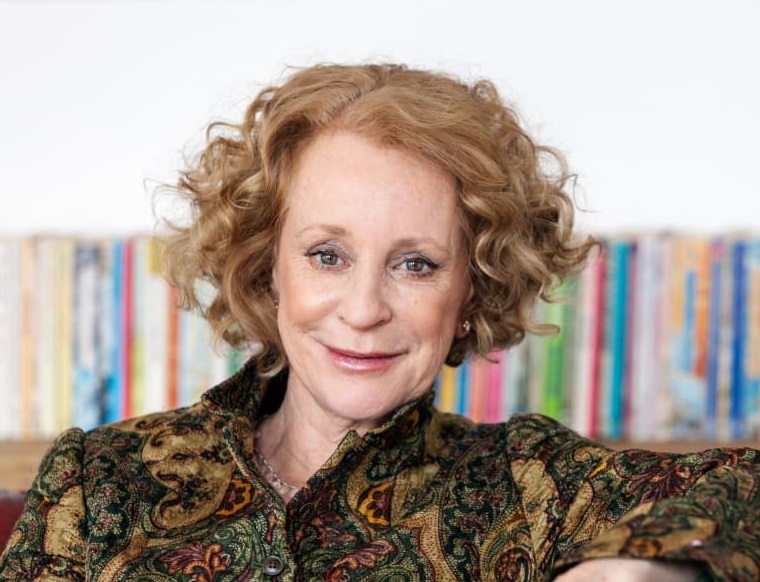
Philippa Gregory
Philippa Gregory was an established historian and writer when she discovered her interest in the Tudor period and wrote the novel The Other Boleyn Girl, which was made into a TV drama and a major film.
Philippa lives with her family on a small farm in Yorkshire where she keeps horses, hens and ducks.
Her other great interest is the charity that she founded nearly twenty years ago: Gardens for The Gambia. She has raised funds and paid for almost 200 wells in the primary schools of this very dry and poor African country, and thousands of school children have been able to learn market gardening and grow food to eat in the school gardens watered by the wells. The charity also provides wells for women's collective gardens and for The Gambia’s only agricultural college, at Njawara.
Philippa graduated from the University of Sussex with a degree in History, and received a PhD in 18th century literature from the University of Edinburgh. In 2008 Edinburgh made her the university's Alumna of the Year. She holds an honorary degree from Teesside University and is a fellow of the Universities of Sussex and Cardiff, and a Regent for the University of Edinburgh. Her love for history and commitment to historical accuracy are the hallmarks of her writing. She also reviews for The Washington Post, the LA Times, and for UK newspapers, and is a regular broadcaster on television and radio. She posts regularly to her large following on Facebook and Twitter.
Philippa is a patron of The UK Chagos Support Association, which supports the Chagos islanders in their struggle against British injustice. The people of Chagos were displaced by the British government when they cleared the archipelago in the Indian Ocean of its inhabitants in the 1960s and 1970s to make way for an American airbase. Gregory often speaks about the Chagossians' plight and lobbies the government to take action.
Shipping
| Standard Shipping | Express Shipping | |
|---|---|---|
| Metro postcodes: | $9.99 | $14.95 |
| Regional postcodes: | $9.99 | $14.95 |
| Rural postcodes: | $9.99 | $14.95 |
How to return your order
At Booktopia, we offer hassle-free returns in accordance with our returns policy. If you wish to return an item, please get in touch with Booktopia Customer Care.
Additional postage charges may be applicable.
Defective items
If there is a problem with any of the items received for your order then the Booktopia Customer Care team is ready to assist you.
For more info please visit our Help Centre.
You Can Find This Book In
Other Editions and Formats

Digital Audiobook
Published: 3rd January 2019
Instant Digital Delivery to your Kobo Reader App

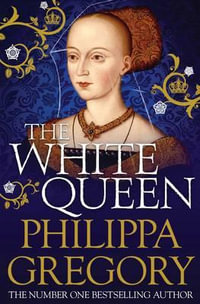
RRP $22.99
$20.75
OFF

RRP $22.99
$20.75
OFF

RRP $26.99
$20.75
OFF

RRP $22.99
$20.75
OFF

RRP $22.99
$20.75
OFF

RRP $22.99
$20.75
OFF

RRP $22.99
$20.75
OFF

RRP $22.99
$20.75
OFF
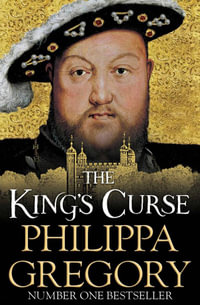
RRP $22.99
$20.75
OFF
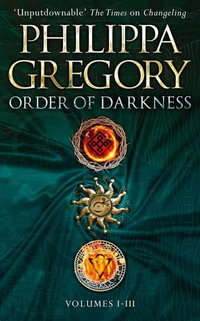
RRP $22.99
$20.75
OFF
RRP $22.99
$20.75
OFF

RRP $22.99
$20.75
OFF
RRP $32.99
$26.99
OFF

RRP $29.99
$24.99
OFF
RRP $24.99
$23.75
RRP $24.99
$23.75
RRP $45.00
$41.75

$24.75

RRP $14.99
$14.75

$29.75

RRP $26.99
$25.75

RRP $26.99
$25.75