


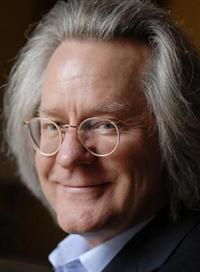
A.C. Grayling
"To read is to fly: it is to soar to a point of vantage which gives a view over wide terrains of history, human variety, ideas, shared experience and the fruits of many inquiries."
He is the author of many books, including The Meaning of Things and Towards the Light: The Story of the Struggles for Liberty in the Modern West, and has been a regular contributor to The Times, Financial Times, Observer, Independent on Sunday, Economist, Literary Review, New Statesman and Prospect. He has been a Booker Prize judge and is a frequent and popular contributor to radio and television programmes, including Newsnight, Today, In Our Time, Start the Week and CNN news.
What genres and subjects does A.C. Grayling write about?
Grayling writes primarily in philosophy: ethics, the history of philosophy, skepticism, meaning, and public philosophy. His books include essays, introductions, and works on liberty, democracy and moral theory.
Which A.C. Grayling book is a good place to start?
For an accessible introduction try Russell: A Very Short Introduction or Ideas That Matter: A Personal Guide for the 21st Century. For ethics, What Is Good? is a good entry point; The History of Philosophy offers a broader overview.
Are A.C. Grayling's books part of a series or are they standalone?
Most of his books are standalone works—individual essays, introductions and treatises rather than a continuous fiction series.
What recurring themes appear across his work?
Recurring themes include the role of reason and meaning, ethical questions and universal ethics, struggles for liberty and rights, skepticism and the possibility of knowledge, and applying philosophy to contemporary public life.
Has A.C. Grayling received notable recognition or awards?
The source does not list specific awards; it notes he has served as a Booker Prize judge and is a frequent contributor to major newspapers and broadcast programmes.
Popular Books By A.C. Grayling


RRP $24.99
$23.75


RRP $24.99
$23.75


RRP $56.99
$56.75


RRP $49.99
$48.75


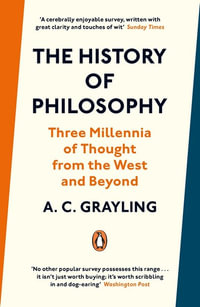
RRP $26.99
$22.99
OFF

All A.C. Grayling Books
RRP $24.99
$23.75
RRP $24.99
$23.75
RRP $56.99
$56.75
RRP $49.99
$48.75
RRP $26.99
$22.99
OFF