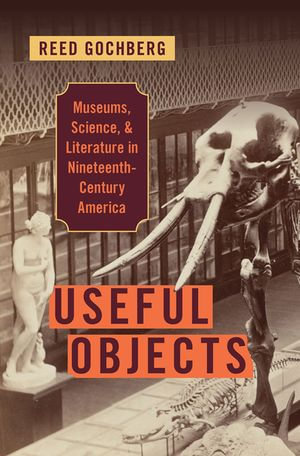
Useful Objects examines the history of American museums during the nineteenth century through the eyes of visitors, writers, and collectors. Museums of this period included a wide range of objects, from botanical and zoological specimens to antiquarian artifacts and technological models. Intended to promote "useful knowledge," these collections generated broader discussions about how objects were selected, preserved, and classified. In guidebooks and periodicals, visitors described their experiences within museum galleries and marveled at the objects they encountered. In fiction, essays, and poems, writers embraced the imaginative possibilities represented by collections and proposed alternative systems of arrangement. These conversations interrogated many aspects of American culture, raising deep questions about how objects are interpreted--and who gets to decide their value. Combining literary criticism, the history of science, and museum studies, Useful Objects examines the dynamic and often fraught debates that emerged during a crucial period in the history of museums by drawing on a wide range of archival materials and accounts in fiction, guidebooks, and periodicals. As museums gradually transformed from encyclopedic cabinets to more specialized public institutions, many writers, including J. Hector St. John de Crevecoeur, Jane Johnston Schoolcraft, William Wells Brown, Walt Whitman, and Henry David Thoreau, questioned who would have access to collections and the authority to interpret them. Throughout this period, they considered loss and preservation, raised concerns about the place of new ideas, and resisted increasingly fixed categories. Their reflections shaped broader debates about the scope and purpose of museums in American culture that continue to resonate today.