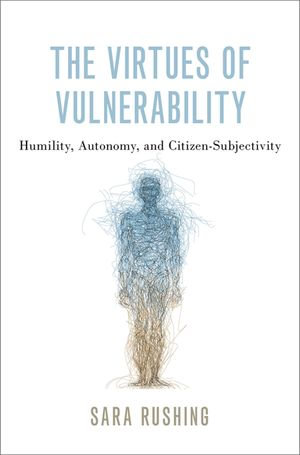
Within the liberal tradition, the physical body has been treated as a focus of rights discussion and a source of economic and democratic value; it needs protection but it is also one's dominion, tool, and property, and thus something over which we should be able to exercise free will. However, the day-to-day reality of how we live in our bodies and how we make choices about them is not something over which we can exercise full control. In this way, embodiment mirrors life in a pluralist body politic: we are interdependent and vulnerable, exposed with and to others while desiring agency. As disability, feminist, and critical race scholars have all suggested, barriers to bodily control are often a problem of public and political will and social and economic structures that render relationality and caring responsibilities private, invisible, and low value. These scholarly traditions firmly maintain the importance of bodily integrity and self-determination, but make clear that autonomy is not a matter of mere non-interference but rather requires extensive material and social support. Autonomy is thus totally intertwined with, not opposed to, vulnerability. Put another way, the pursuit of autonomy requires practices of humility. Given this, what do we learn about agency and self-determination, as well as trust, self-knowledge, dependence, and resistance under such conditions of acute vulnerability? The Virtues of Vulnerability looks at the question of how we navigate "choice" and control over our bodies when it comes to conditions like birth, illness, and death, particularly as they are experienced within mainstream medical institutions operating under the pressures of neoliberal capitalism. There is often a deep disconnect between what people say they want in navigating birth, illness, and death, and what they actually experience through all of these life events. Practices such as informed consent, the birth plan, advanced directives, and the patient satisfaction survey typically offer a thin and unreliable version of self-determination. In reality, "choice" in these instances is encumbered and often determined by our vulnerability at the most critical moments. This book looks at the ways in which we navigate birth, illness, and death in order to think about how vulnerability and humility can inform political will. Overall, the book asks under what conditions vulnerability and interdependence enhance or diminish our sense of ourselves as agents. In exploring this question it aims to produce a new vocabulary for democratic politics, highlighting traits that have profound political implications in terms of how citizens aspire, struggle, relate to, and persevere with each other.