


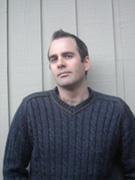
Darren Groth
"Find connection with the story and experience a meaningful emotional response to it"
In the early nineties, I taught HPE at Ipswich Special School, before moving on to Milpera SHS in 1996. Milpera – Australia’s only government-run school for migrants and refugees – served as the backdrop for the MVP novel and demonstrated to me, on a daily basis, the true meaning of ‘most valuable potential’. I left teaching in 2004 with fond memories, life lessons, and knowledge of swear words in many different languages.
The author journey began around 1993. After abandoning the sporting dream of becoming the next somebody/anybody, I took up the authentic writing dream of becoming the first Darren Groth. My initial collection of stories called Shoot The Lights Out – the action-packed, funny, pacy, sometimes sexy adventures of basketballer Chris ‘Pistol’ Weatherall – I wrote longhand on ‘Department of Primary Industries’ paper, before Mum typed it out for me. I then looked for a publisher in the ‘Yellow Pages’. It wasn’t published.
These days I am published. I write on a computer and no longer consult parents or phone books.
For fun, I watch Family Guy with my beautiful Canadian wife, or play Wii with my nine year old twins.
To read Darren’s revealing answers to the Booktopia Book Guru’s TEN TERRIFYING QUESTIONS…and to leave a comment -CLICK HERE
What genre does Darren Groth write in?
His work leans toward contemporary fiction for younger readers, especially sports-themed and school-based stories with humor and emotional resonance.
What themes recur in his books?
Common themes include personal growth, resilience, connection through story, school and community life, and the experiences of migrants and refugees drawn from his teaching background.
Are his books suitable for young readers or teens?
Yes. His novels often focus on adolescent protagonists, sporting settings and school environments, making them well suited to teen and young adult readers.
Where should I start reading Darren Groth?
Begin with his novels that draw on his teaching and sporting experience. Look for titles described as school-based or sports fiction to get a good sense of his voice and themes.
Is there a recommended reading order or ongoing series to follow?
There is no indication of a required reading order; his books are generally standalone stories. Check individual book descriptions for any direct sequels or linked characters.