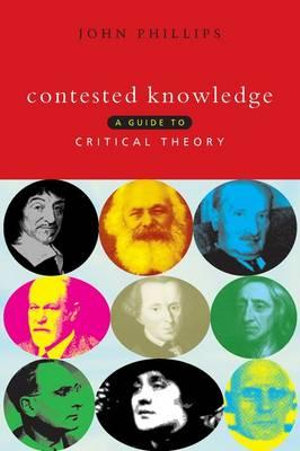
How to Use This Book
Part I: Introduction to Critical Theory
1. Critical
Critical, Metaphysics, Man, Crisis, Critique, Critical Theory, Postmodernism and Critical theory
2. Representations
Books and Life, Truth, In between, To be, "Is" and "Ing"
3. Theory
The Empirical and the Transcendental, What theory is and why it is necessary,
Object and Concept, Analogy, Economy, Objects, Summary
Part II: Philosophical Impossibilities
1. The Ancients
Philosophy, Deception, Socratic Dialogue, Plato's Theatre, Nous (Mind), Allegory, Contingency, Plato's Cave, Ideal Objects, Technology, The Visible and the Invisible, Analogy, The Divided Line, The Empirical and the Transcendental
2. Greek/Jew: Closure and Opening
Greek, Binary Oppositions, Empirical/Transcendental Difference, Jew, The Law,
Dogmatism and Criticism, Singularity and Plurality, Opening and Closure
3. Modernity
Empiricism, Rationality, Freedom, Progress, Centrism, Ethnocentrism, Androcentrism, Phonocentrism, Logocentrism, Descartes' Judgement, Otherness, infinity and difference, How to not define the other
Summary
Cogito Ergo Sum, Frontiers, The Subject in Crisis, Authority and Enlightenment,
Architectural Metaphors, Responsibility
Part III: The Political
1. Being
Rhetoric, The Being of Things, Being and Beings
2. The Political
3. False Consciousness
False Consciousness, Figurative Language, Graven Images, Fetish, Logocentrism, Nomos, Access to the Transcendental
Part IV: Structuralism
1. Saussure
What is Structuralism? Where does structuralism come from? The Course in General Linguistics, Why "general", The Sign Signifier/Signified System and Utterance
Difference' "To a Certain Extent", System and Difference, Developments in Structuralism, How Structuralism Works, An Exercise in Structuralism, Synchrony/Diachrony, System/Process, Paradigm/Syntagm
2. Levi-Strauss
Structural Linguistics and Anthropology, Necessary Laws, Kinship Relations,
Second Order First, The Elementary Unit of Kinship, Uncles with Attitude,
The Incest Taboo-woman as symbol of exchange, The Structural Analysis of Myth,
The Algorithm of Myth
3. Jakobson
Two Types of Aphasia, The Similarity Disorder, The Contiguity Disorder, Metaphor and Metonymy, The Map on the Wall
Part V: Derrida and Deconstruction
1. The Text
"Text", Derrida's work, Presence and Absence, The Way We Think, Structure, Play, The way of the text, Bricoleur and Engineer, Supplementarity, Radical Empiricism,
"Something Missing"
2. Difference
The Same, Differance, Difference a priori, A commentary on "Differance",
What to Look for
3. Exemplification
Deconstruction, Repetition and Writing, Superfluity and Writing, Alterity and Transcendence, Writing and Interpretation, Transcendental Contraband,
Exemplification
Part VI: Psychoanalysis
1. Freud and The Dreamwork
Psychoanalysis and Critical Theory, The Unconscious since Freud, Dreams,
Interpretation, The Dream Work, Condensation, Displacement, Overdetermination,
Considerations of Representability, Kettle Logic
2. Lacan, Freud and Sexuality
Lacan and Language, The Unconscious is the Discourse of the Other, The Unconscious is structured like a Language, Metaphor and Metonymy,
Sexuality and Sexual Difference, Deferred Action, Sexuality, Oedipus, Sexual Difference, Cinema: Pleasure and Drive, The Ring
3. The Return to Melanie Klein
Acquiring Knowledge, The Ruined World, Kleinian Scientificity, Armageddon,
Soldier, Problems, The Knowledge
Concluding Remarks