Get Free Shipping on orders over $49
Understanding Figurative Language : From Metaphor to Idioms - Sam Glucksberg

Understanding Figurative Language

From Metaphor to Idioms

By: Sam Glucksberg

Hardcover | 1 January 2001

At a Glance

Hardcover


RRP $160.95

$121.75

24%OFF

or 4 interest-free payments of $30.44 with

 or 

Ships in 5 to 7 business days

This book examines how people understand utterances that are intended figuratively. Traditionally, figurative language such as metaphors and idioms has been considered derivative from more complex than ostensibly straightforward literal language. Glucksberg argues that figurative language involves the same kinds of linguistic and pragmatic operations that are used for ordinary, literal language. Glucksberg's research in this book is concerned with ordinary language: expressions that are used in daily life, including conversations about everyday matters, newspaper and magazine articles, and the media. Metaphor is the major focus of the book. Idioms, however, are also treated comprehensively, as is the theory of conceptual metaphor in the context of how people understand both conventional and novel figurative expressions. A new theory of metaphor comprehension is put forward, and evaluated with respect to competing theories in linguistics and in psychology. The central tenet of the
theory is that ordinary conversational metaphors are used to create new concepts and categories. This process is spontaneous and automatic. Metaphor is special only in the sense that these categories get their names from the best examples of the things they represent, and that these categories get their names from the best examples of those categories. Thus, the literal "shark" can be a metaphor for any vicious and predatory being, from unscrupulous salespeople to a murderous character in The Threepenny Opera. Because the same term, e.g.,"shark," is used both for its literal referent and for the metaphorical category, as in "My lawyer is a shark," we call it the dual-reference theory. The theory is then extended to two other domains: idioms and conceptual metaphors. The book presents the first comprehensive account of how people use and understand metaphors in everyday life.
Industry Reviews
"A leader in the field of psycholinguistics, Glucksberg (psychology, Princeton Univ.) examines how people process and comprehend figurative language like metaphors and idioms....Suitable for graduate students and above, this book will interest cognitive scientists, psycholinguists, philosophers of language, and others working in the field of language."--CHOICE "A leader in the field of psycholinguistics, Glucksberg (psychology, Princeton Univ.) examines how people process and comprehend figurative language like metaphors and idioms....Suitable for graduate students and above, this book will interest cognitive scientists, psycholinguists, philosophers of language, and others working in the field of language."--CHOICE

More in Linguistics

The Book of Lost Languages : An Epic Quest to Decipher the Past - Daniel Harbour
The Meaning of Tattoos : 130 Designs and What they Mean - Nick Schonberger
Angertainment : How social media outrage ruined everything - Ed Coper
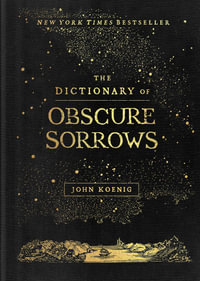
The Dictionary of Obscure Sorrows - John Koenig

RRP $39.99

$32.96

18%
OFF
Rooted : An Australian history of bad language - Amanda Laugesen

RRP $34.99

$29.99

14%
OFF
Language, Literacy and Early Childhood Education : 4th Edition - Janet Fellowes
The Little Green Grammar Book : 1st Edition - Mark Tredinnick

RRP $32.99

$16.75

49%
OFF
Bird by Bird : Some Instructions on Writing and Life - Anne Lamott
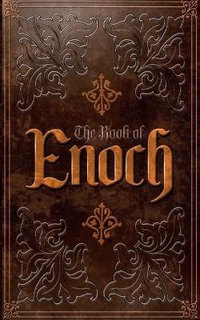
The Book of Enoch - Enoch

$25.99

Plazas - Robert Hershberger

Hardcover

RRP $234.95

$227.75

The History of the Peloponnesian War - Robin Waterfield
The Cambridge Handbook of Child Language - Edith L. Bavin

RRP $119.95

$103.75

14%
OFF
Language and Complex Systems - William A. Kretzschmar, Jr

RRP $76.95

$72.75