



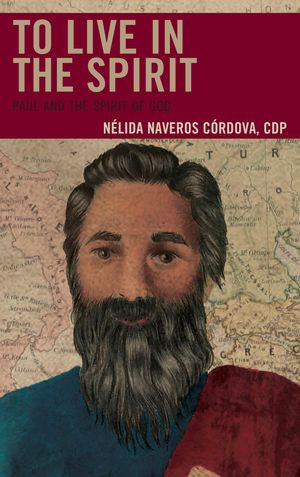
To Live in the Spirit
Paul and the Spirit of God
By: CDP Nélida Naveros Córdova
eText | 29 November 2018 | Edition Number 1
At a Glance
eText
$171.01
or
Instant online reading in your Booktopia eTextbook Library *
Why choose an eTextbook?
Instant Access *
Purchase and read your book immediately
Read Aloud
Listen and follow along as Bookshelf reads to you
Study Tools
Built-in study tools like highlights and more
* eTextbooks are not downloadable to your eReader or an app and can be accessed via web browsers only. You must be connected to the internet and have no technical issues with your device or browser that could prevent the eTextbook from operating.
ISBN: 9781978700970
ISBN-10: 1978700970
Published: 29th November 2018
Format: ePUB
Language: English
Audience: Professional and Scholarly
Publisher: Bloomsbury USA
Edition Number: 1
You Can Find This eBook In







This product is categorised by
- Non-FictionReligion & BeliefsChristianityBiblical Studies & Exegesis
- Non-FictionReligion & BeliefsAspects of Religion for Non-ChristiansTheology
- Non-FictionPhilosophyHistory of Western PhilosophyAncient Western Philosophy
- Non-FictionReligion & BeliefsReligionReligious Issues & DebatesReligious Ethics
- Non-FictionReligion & BeliefsChristianityBibles
- Non-FictionReligion & BeliefsAspects of Religion for Non-ChristiansSacred TextsCriticism & Exegesis of Sacred Texts